


Portalegre
Portalegre was founded in the reign of Afonso III, in 1259. It was to be given to his bastard son Afonso Sanches.
In Denis I reign, by a foral of 18 November 1299, it was determined that Portalegre would be donated to the king himself and later to his first born and heir.
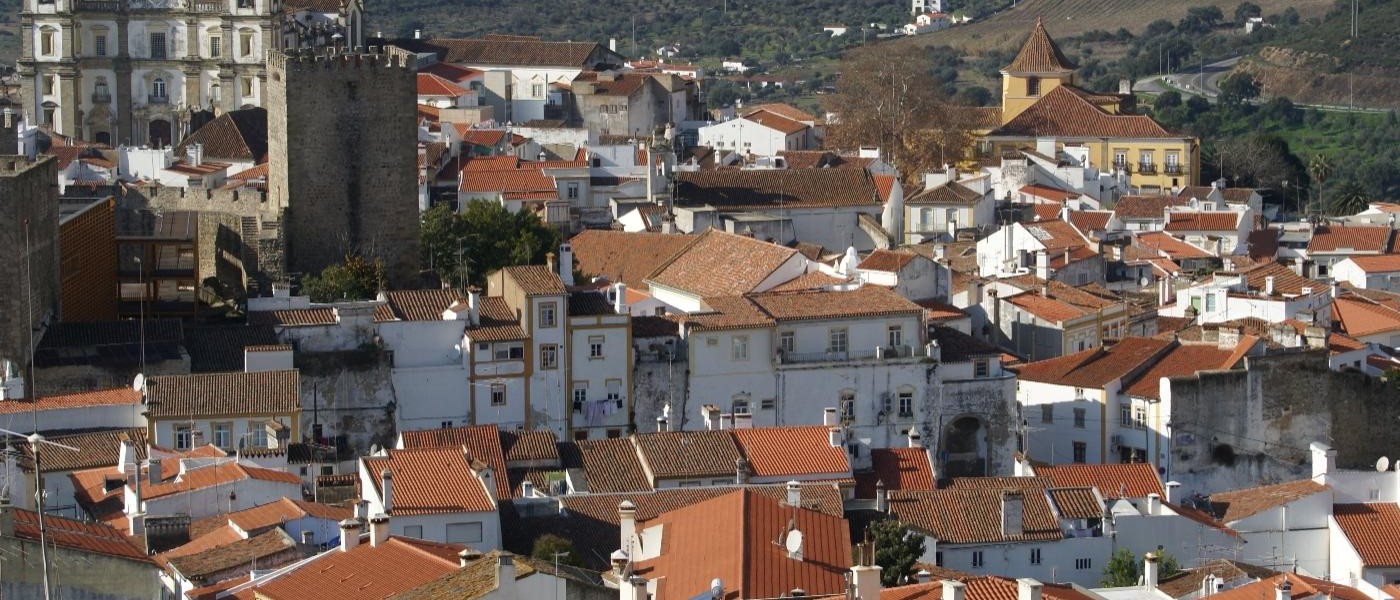
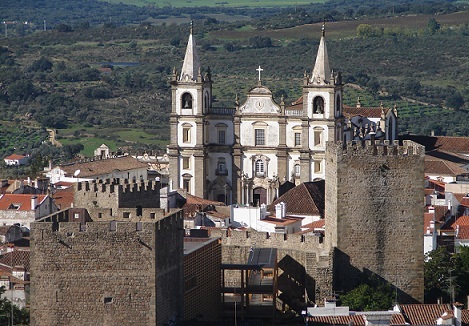
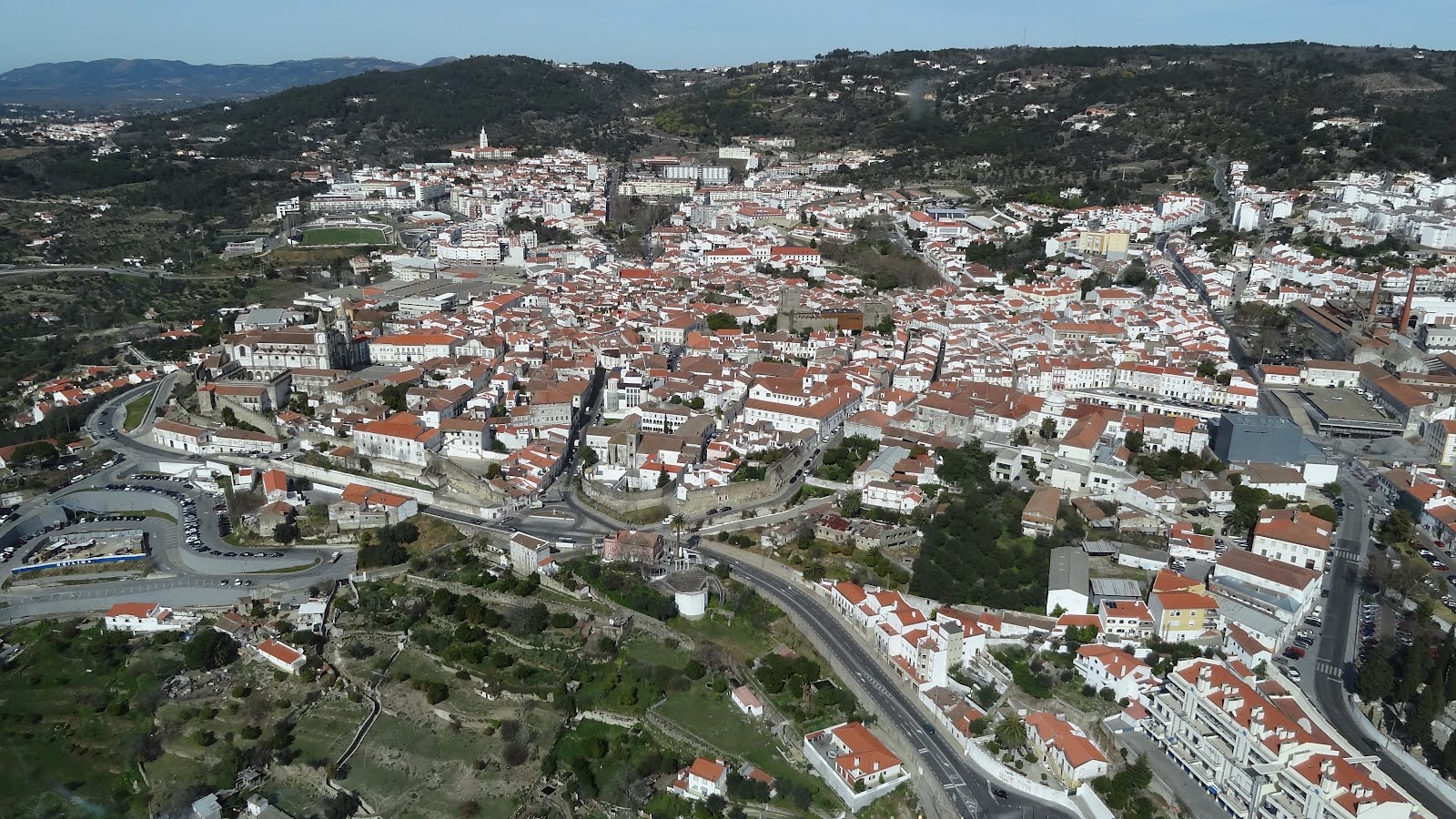
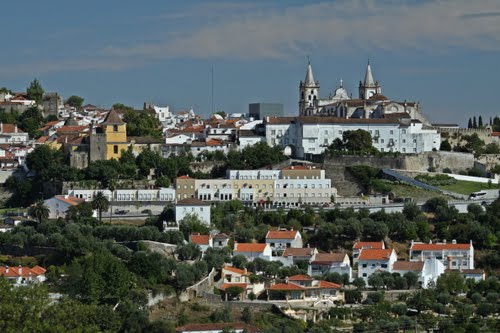
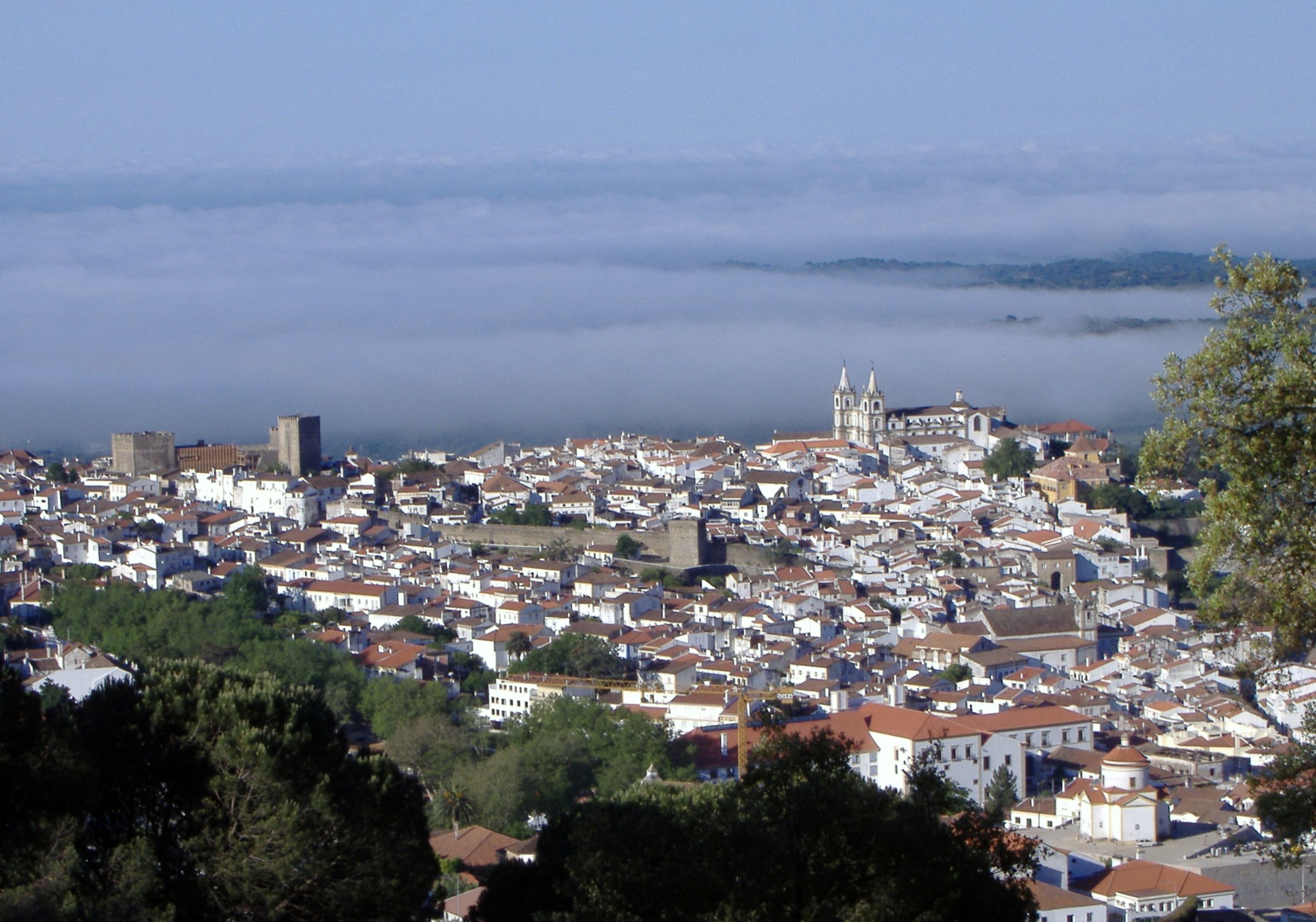
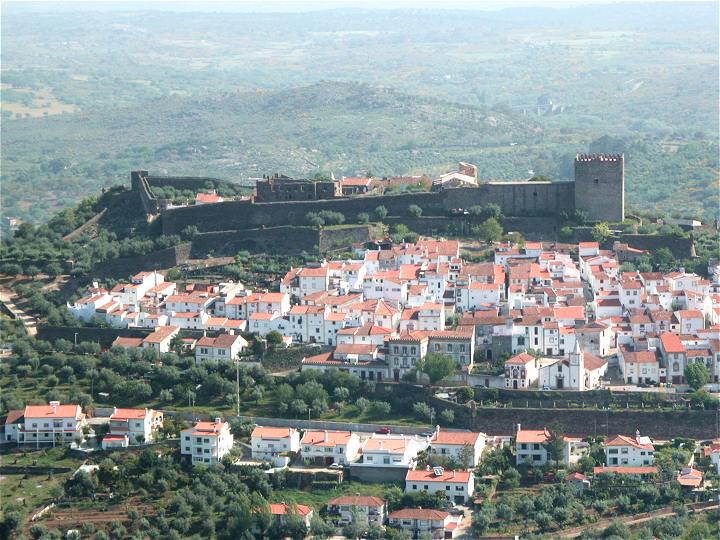
View of Portalegre from the distance. The church at the left is the cathedral of the city.
Portalegre was elevated to the status of city on 23 May 1550, by John III. At this time, the city was regarded as an important administrative and economic centre. In the 15th century, it was already recognized for its cloth manufacturing.
As it is near the frontier with Spain it always suffered lots of invasions from foreign troops: in 1704 (during the War of the Spanish Succession), it was attacked and conquered by the army of Felipe V; again in 1801 during the War of the Oranges, it surrendered to the Spanish Army, this way trying to counter the French dominion. In 1847 it was occupied by forces of Spanish General Concha.
The importance of Portalegre would come to be recognized in 1859, when it became capital of the Portalegre District.
What to visit in Portalegre
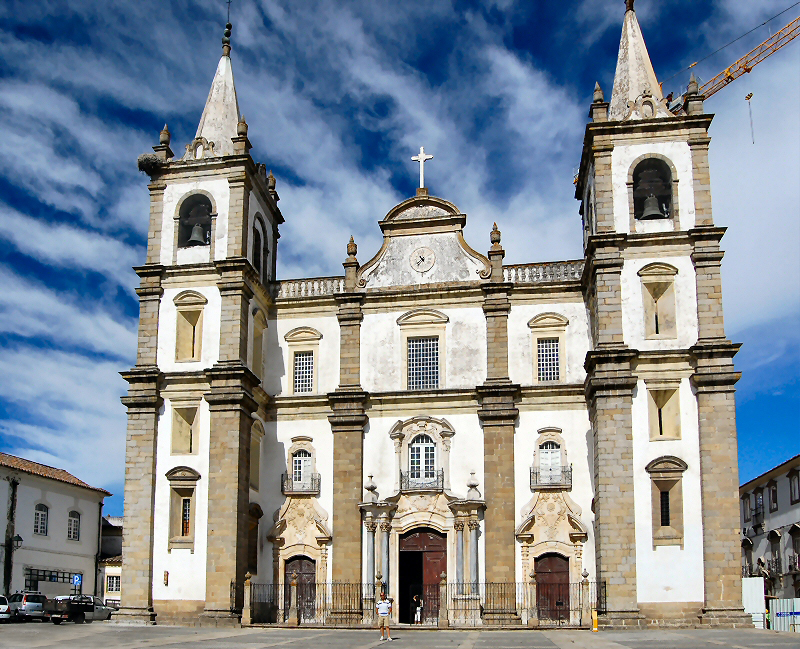
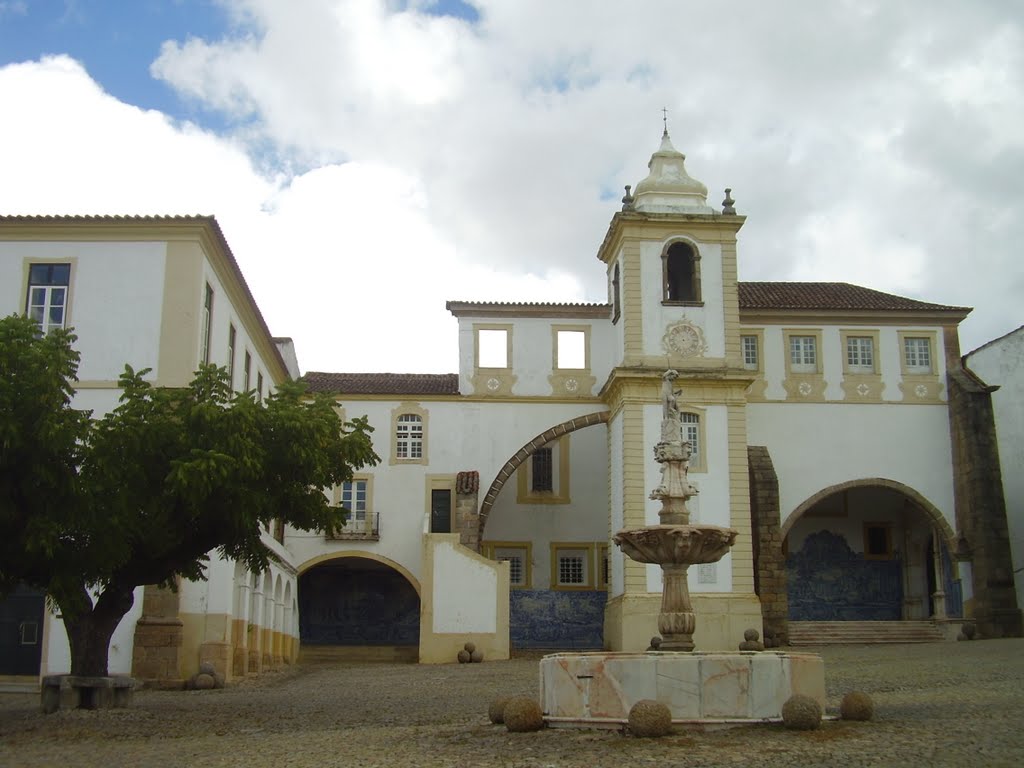
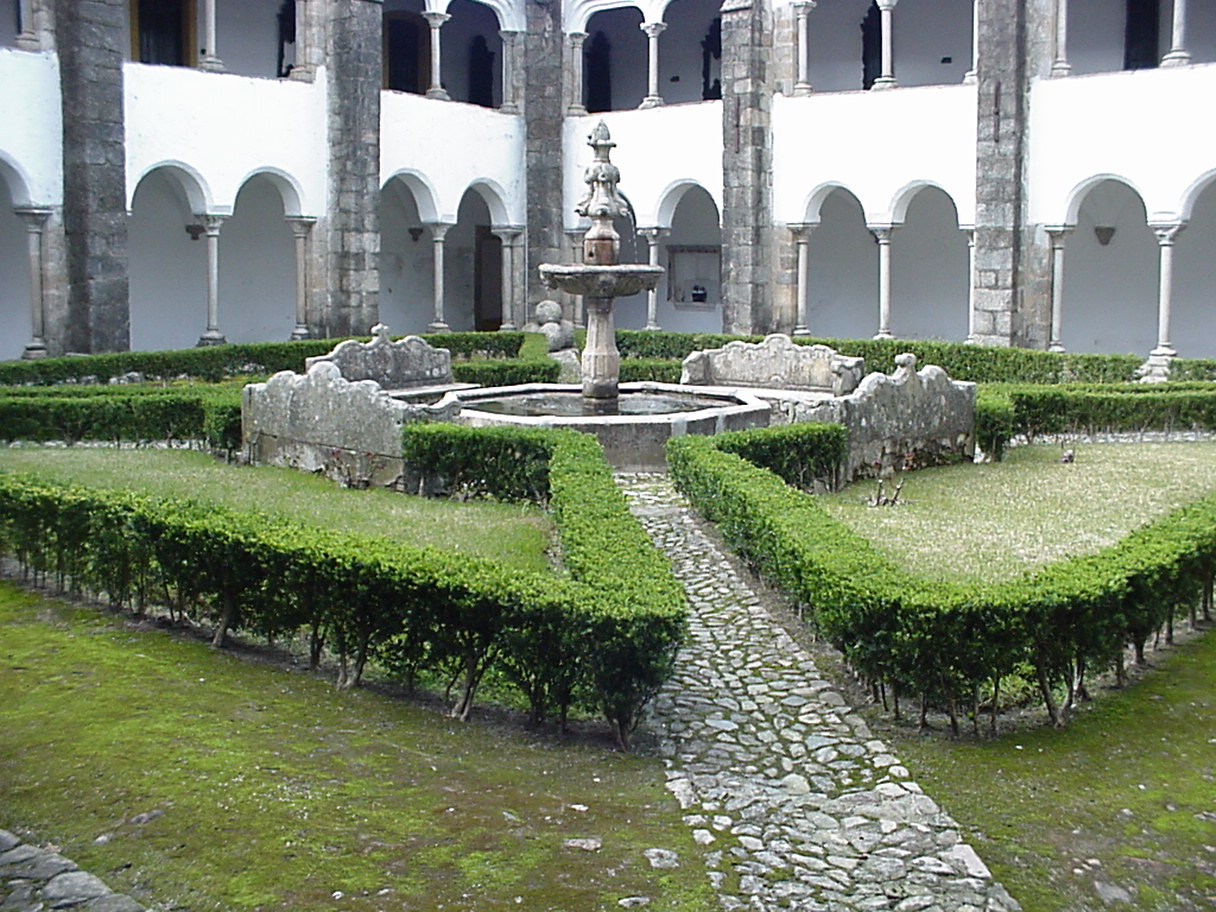
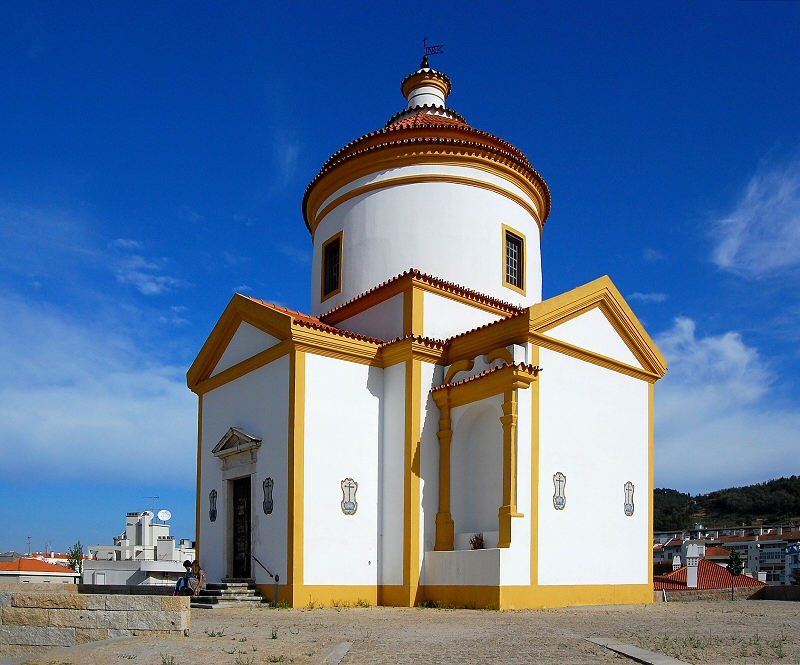
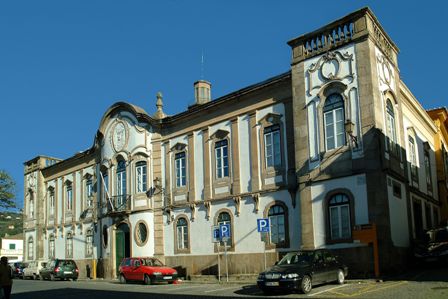
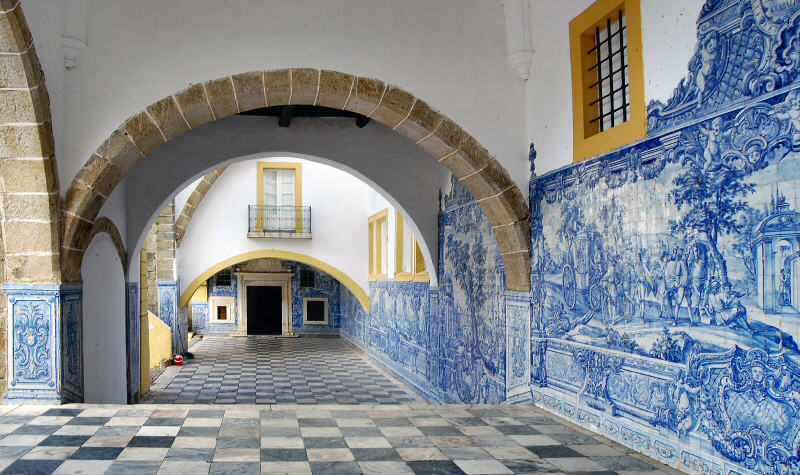
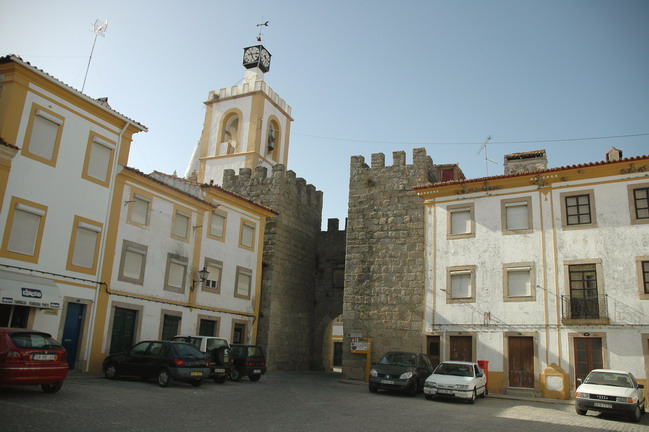
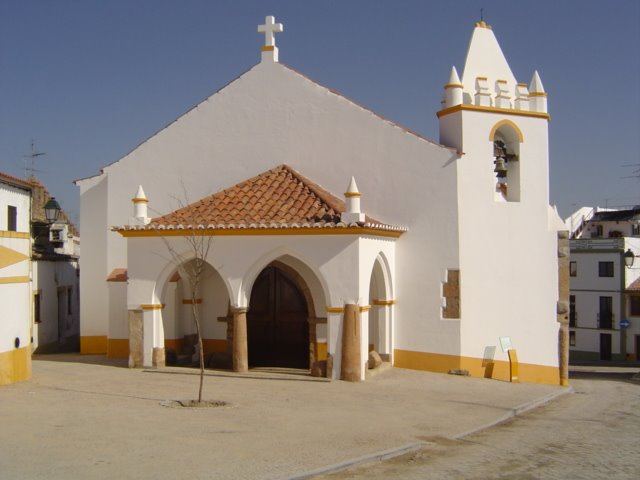
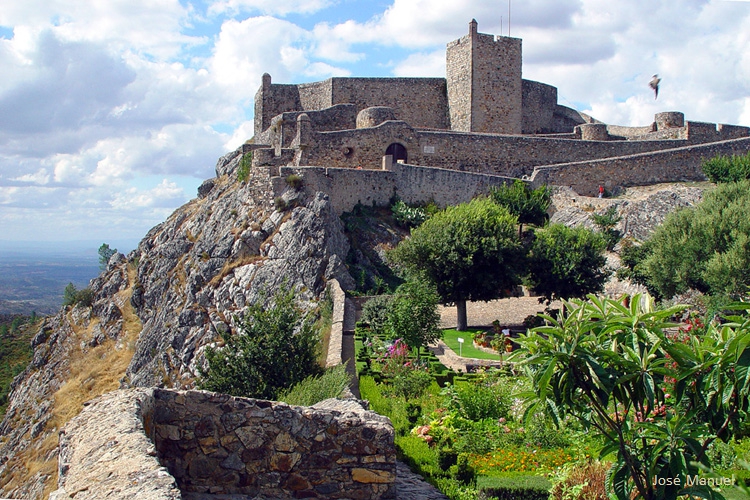
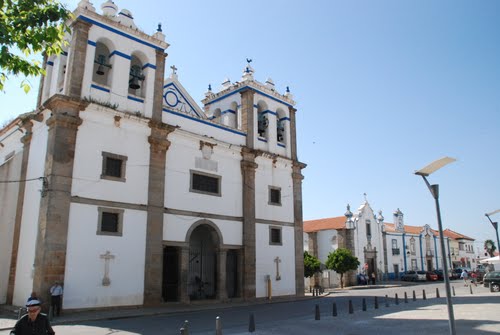
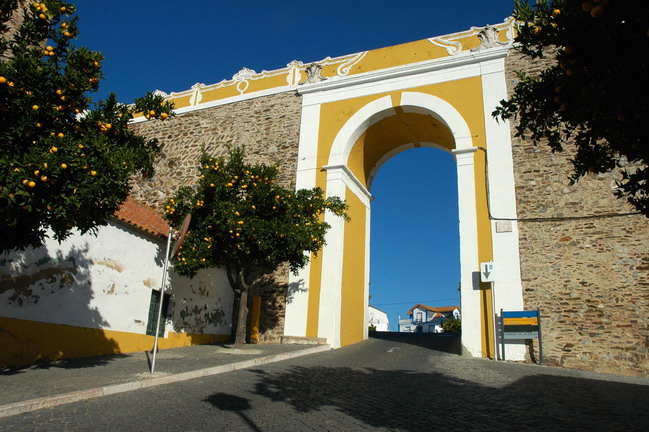
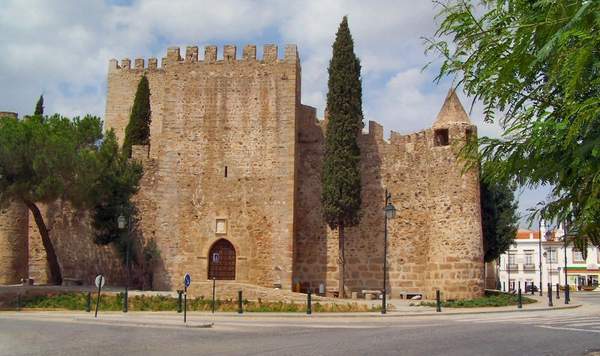
Museu da Cortiça; Portalegre; Casa; Museu da Tapeçaria de Portalegre Guy Fino; Cortiça; Núcleo; Castelo de Portalegre; Castelo de Alegrete; Portas da antiga muralha (no passado existiam 7 portas (alguns estudiosos falam em 8), das quais só subsistem); Igreja do Bonfim; Sé Catedral (século XVI); Seminário de Portalegre (século XX), inaugurado em 1955; Igreja do Nosso Senhor do Bonfim (século XVIII); Convento de São Bernardo (século XVI), onde desde 2009 funciona a Escola Prática da Guarda Nacional Republicana; Convento de Santa Clara (século XIV), atualmente a Biblioteca Municipal de Portalegre; Convento jesuíta de São Sebastião (século XVII), Fábrica Real de Lanifícios a partir do século XVIII, sede da câmara municipal desde 2005; Capela do Calvário (século XVII ou XVIII); Capela de Sant’Ana (século XVIII); Igreja de São Lourenço.
No Distrito
Alter do Chão; Arronches; Avis; Campo Maior; Castelo de Vide; Crato; Elvas; Fronteira; Marvão; Monforte; Nisa; Ponte de Sôr; Sousel
Leave a comment
Related Unities
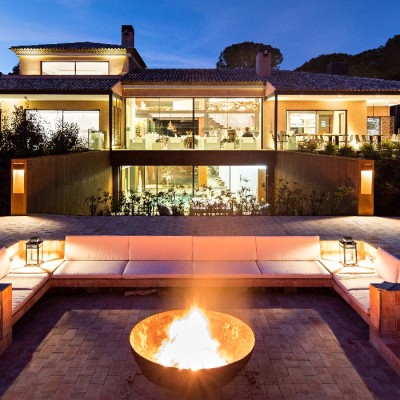
Sublime Comporta Country Retreat & Spa
Nestled on a stunning 17 hectare estate, surrounded by undulating umbrella pines and cork trees, sand dunes, vineyards, rice fields and over 60km of pristine, white-sand beaches is Sublime Comporta […]
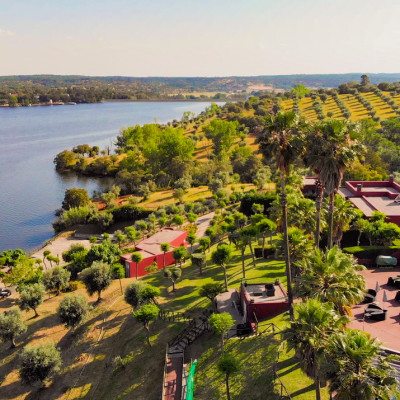
Montargil Monte Novo
Montargil Monte Novo is located in Alentejo, in the village of Montargil, 95 km from Lisbon — a drive of about an hour and a half — on the bank […]
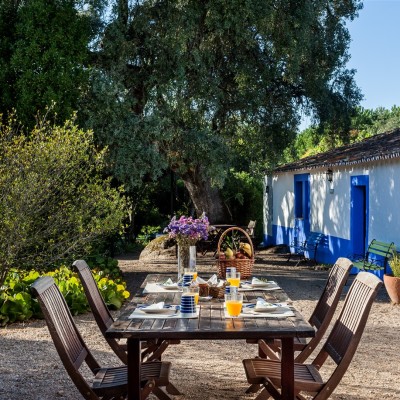
Monte do Serrado de Baixo
The farmstay is only 8 kms from the world heritage city of Évora. From here you can walk along the 16th century aqueduct or cycle to the city or to […]
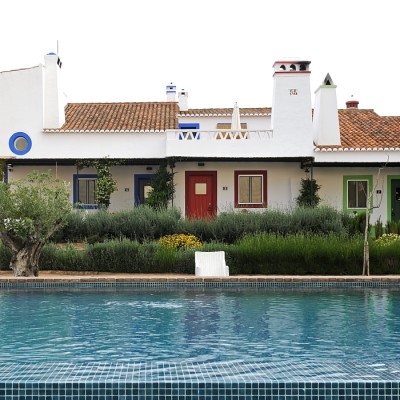
Casas de Juromenha
When you get to Casas de Juromenha you are greeted by the calm and blue Guadiana as it turns into a great lake – Alqueva. River, whose shining, peaceful blue […]
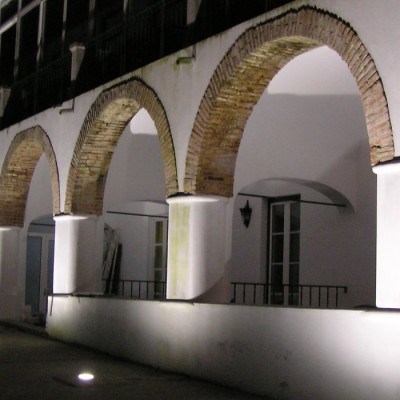
Hotel Solar dos Lilases
Built over 100 years ago, The Hotel Solar dos Lilases has benefited from a exhaustive renovation process. After meticulous restoration, the old manor house opens it’s doors to give you […]
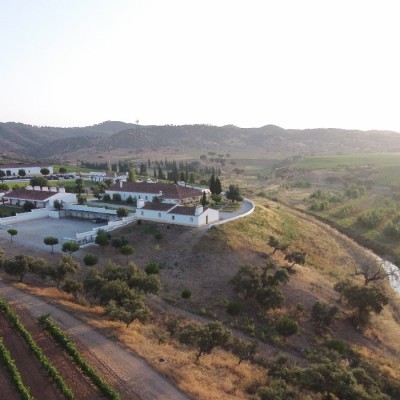
Herdade do Sobroso Wine Luxury Hotel
The Herdade do Sobroso it is a Wine Luxury Hotel that transmits charm and escape. Breathe in the warm Alentejo aromas, together with others from Africa that are exotic with […]
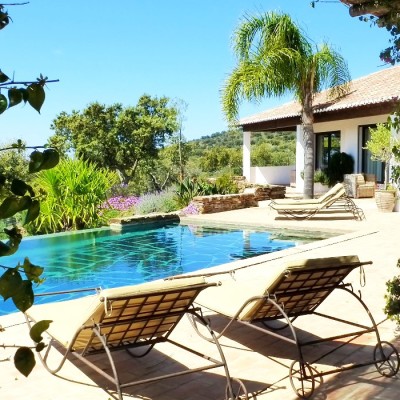
Sharish Monte das Estevas
Welcome to a real Portuguese Rural Tourism experience! Situated in the beautiful parish of Glória, just 7 minutes from the City of Estremoz, Sharish – Monte das Estevas is a […]
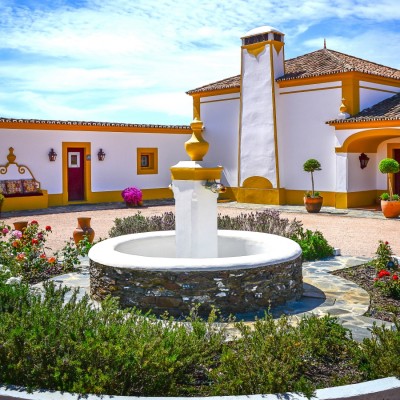
Herdade Água d’Alte
In Redondo, in the district of Évora, at the foothills of Serra d’Ossa, Herdade Água d’Alte works every day for a Premium Service and to understand the needs and wills […]
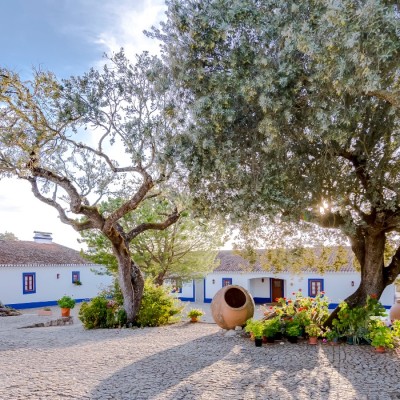
Monte da Lapa – Country House
Family owned estate in the countryside, with magnificent natural surroundings, just 1 hour drive from Lisbon airport, 5 minutes from Arraiolos and 25 minutes from Évora. Independently from the main […]
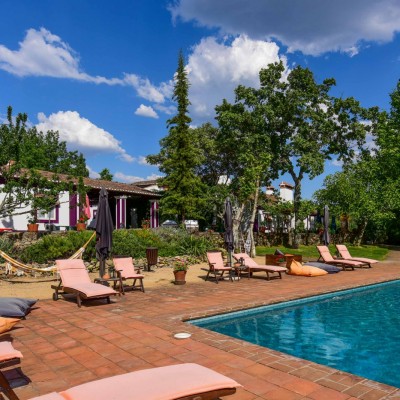
Quinta da Dourada
Located in the S: Mamede Natutal Park, Quinta da Dourada is a paramount location for those who lo nature “where silence makes time stop”. To properly understand the excitement one […]