


Évora
Évora has a history dating back more than two millennia.
It was known as Ebora by the Celts, a tribal confederacy, south of the Lusitanians (and of Tagus river), who made the town their regional capital.
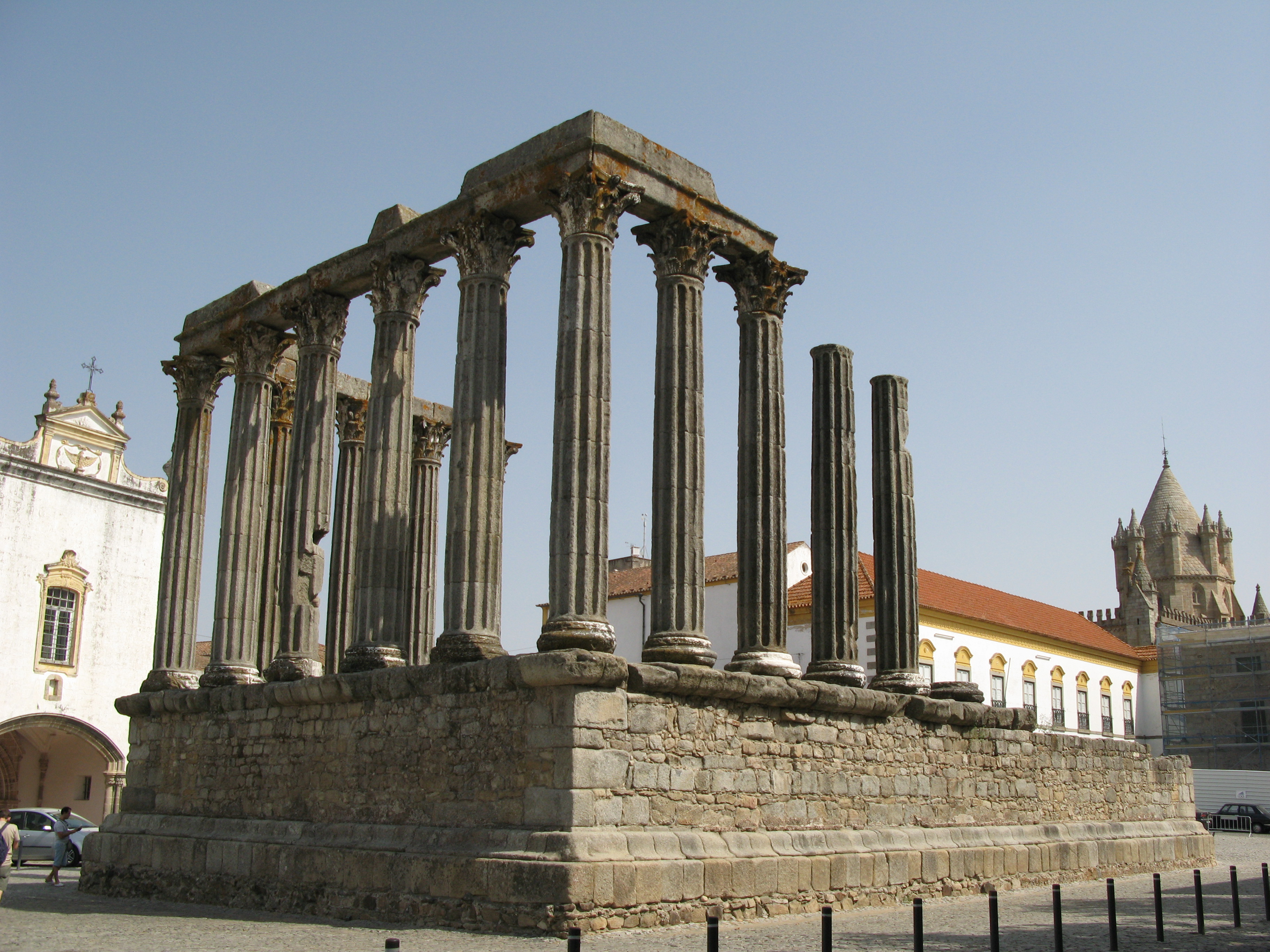
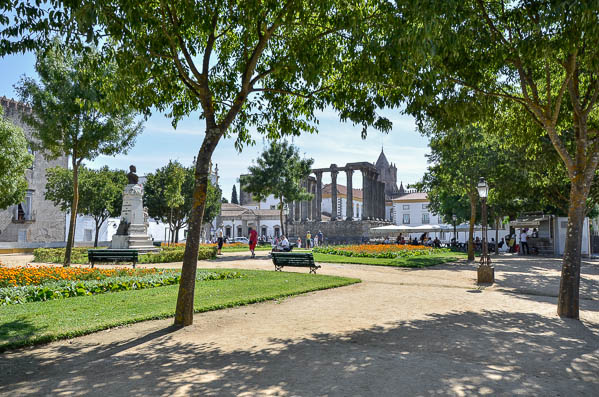
The Romans conquered the town in 57 BC and expanded it into a walled town. Vestiges from this period (city walls and ruins of Roman baths) still remain. Julius Caesar called it Liberalitas Julia (Julian generosity). The city grew in importance because it lay at the junction of several important routes. During his travels through Gaul and Lusitania, Pliny the Elder also visited this town and mentioned it in his book Naturalis Historia as Ebora Cerealis, because of its many surrounding wheat fields. In those days, Évora became a flourishing city. Its high rank among municipalities in Roman Hispania is clearly shown by many inscriptions and coins. The monumental Corinthian temple in the centre of the town dates from the first century and was probably erected in honour of emperor Augustus. In the fourth century, the town had already a bishop, named Quintianus.
During the barbarian invasions, Évora came under the rule of the Visigothic king Leovirgild in 584. The town was later raised to the status of a cathedral city. Nevertheless, this was a time of decline and very few artifacts from this period remain.
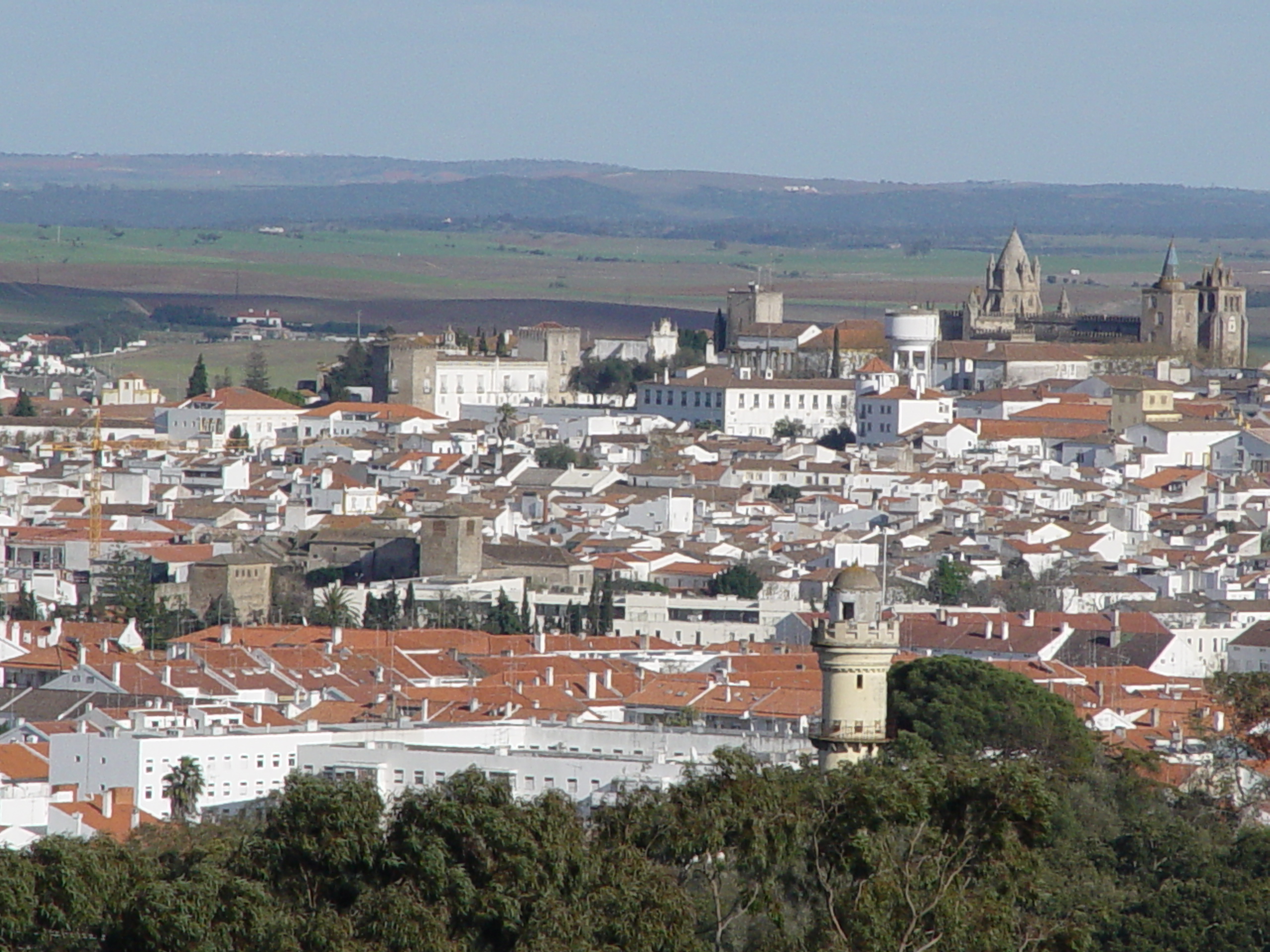
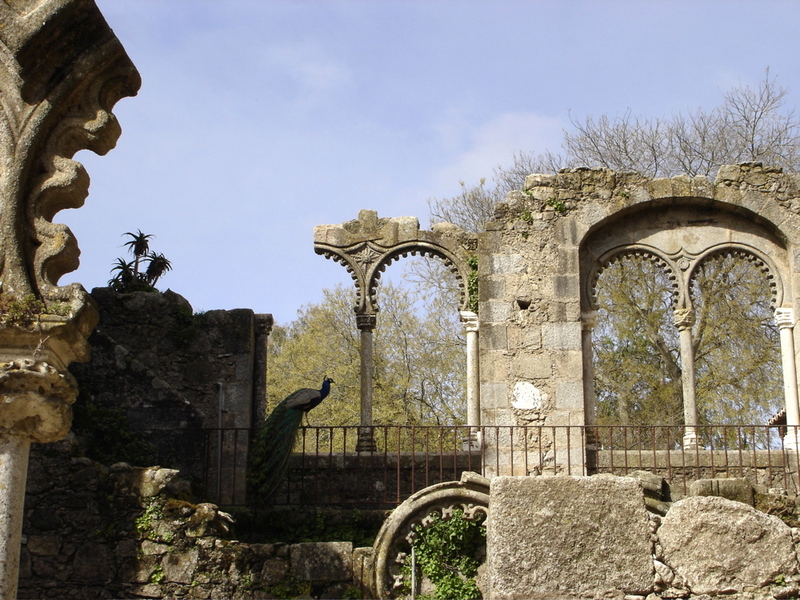
In 715, the city was conquered by the Moors under Tariq ibn-Ziyad who called it Yaburah. During the Moorish rule (715–1165), the town, part of the Taifa of Badajoz, slowly began to prosper again and developed into an agricultural center with a fortress and a mosque. The present character of the city is evidence of the Moorish influence.
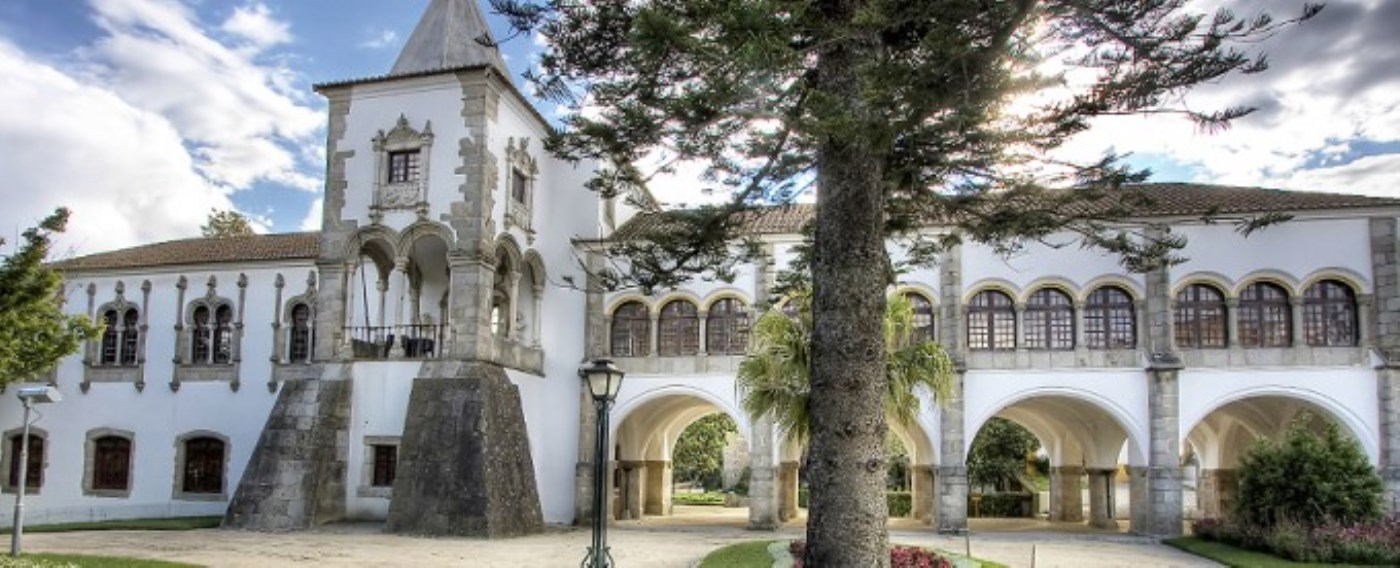
Évora was wrested from the Moors through a surprise attack by Gerald the Fearless (Geraldo Sem Pavor) in September 1165. The town came under the rule of the Portuguese king Afonso I in 1166. It then flourished as one of the most dynamic cities in the Kingdom of Portugal during the Middle Ages, especially in the 15th century. The court of the first and second dynasties resided here for long periods, constructing palaces, monuments and religious buildings. Évora became the scene for many royal weddings and a site where many important decisions were made.
In the 19th-century, Évora declined in national power, as a result of the War of Two Brothers.
Particularly thriving during the Avis Dynasty (1385–1580), especially under the reign of Manuel I and John III, Évora became a major centre for the humanities (André de Resende – buried in the cathedral) and artists, such as the sculptor Nicolau Chanterene; the painters Cristóvão de Figueiredo and Gregório Lopes; the composers Manuel Cardoso and Duarte Lobo; the chronicler Duarte Galvão; and the father of Portuguese drama, Gil Vicente.
Évora also held a large part of the slave population of Portugal. Nicolas Clenard, a Flemish tutor at the Portuguese court, exclaimed in 1535 that “In Evora, it was as if i had been carried off to a city in hell:everywhere I only meet blacks.”
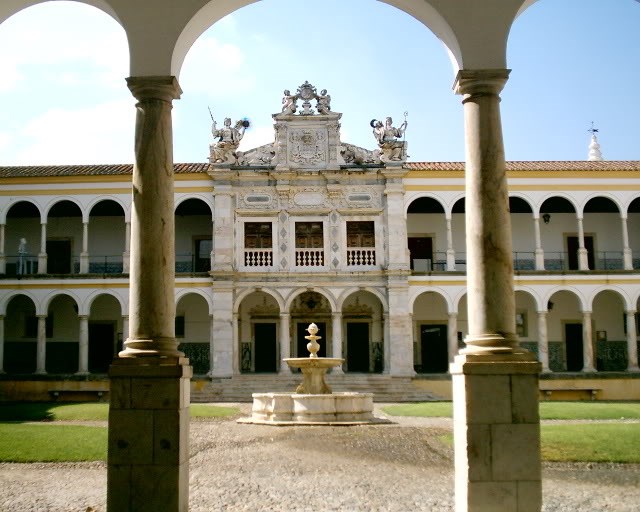
The city became the seat of an archbishopric in 1540. The university was founded by the Jesuits in 1559, and it was here that great European Masters such as the Flemish humanists Nicolaus Clenardus (Nicolaas Cleynaerts) (1493–1542), Johannes Vasaeus (Jan Was) (1511–1561) and the theologian Luis de Molina passed on their knowledge. In the 18th century, the Jesuits, who had spread intellectual and religious enlightenment since the 16th century, were expelled from Portugal, the university was closed in 1759 by the Marquis of Pombal, and Évora went into decline. The university was only reopened in 1973.
The Battle of Évora was fought on 29 July 1808 during the Peninsular War. An outnumbered Portuguese force tried to stop a French-Spanish division commanded by Louis Henri Loison but it was routed. Led by the hated Loison, known as Maneta or One-Hand, the French went on to storm the town which was defended by soldiers, militiamen and armed townsmen. Breaking into the town, the attackers slaughtered combatants and non-combatants alike before thoroughly pillaging the place.
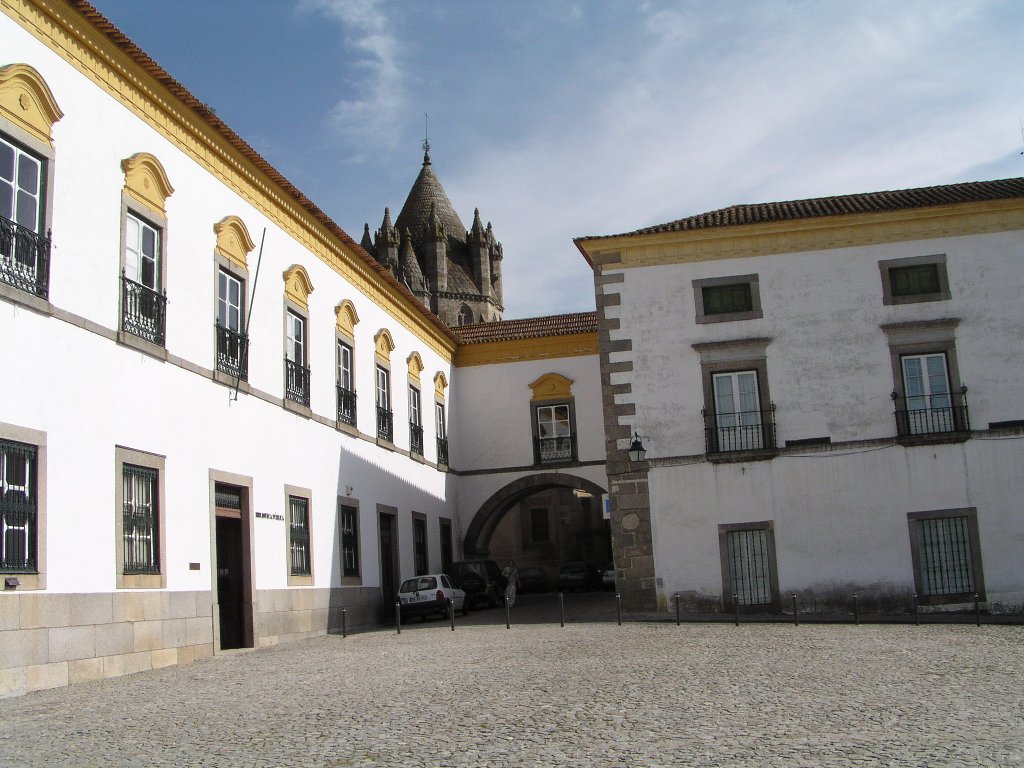
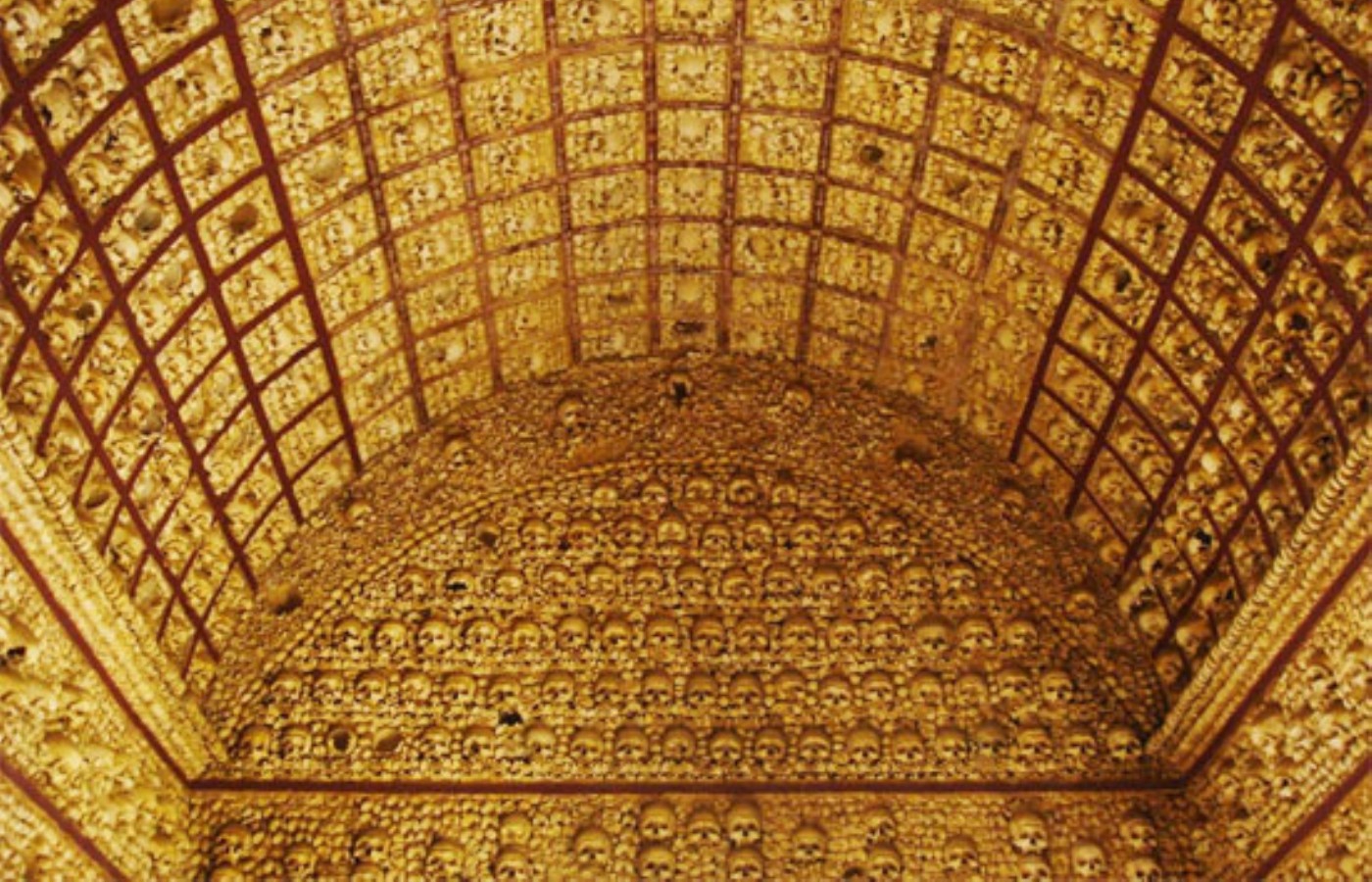
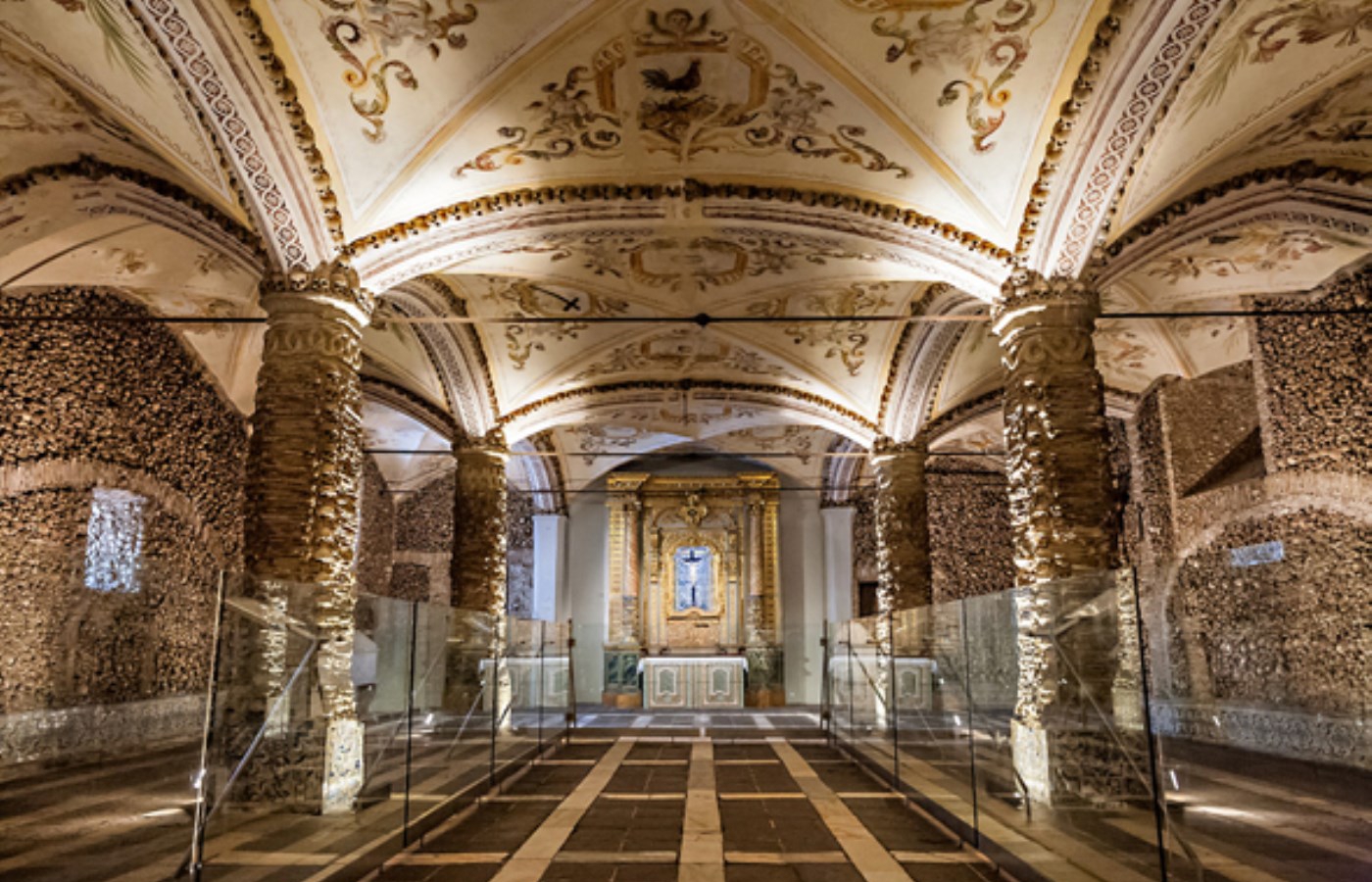
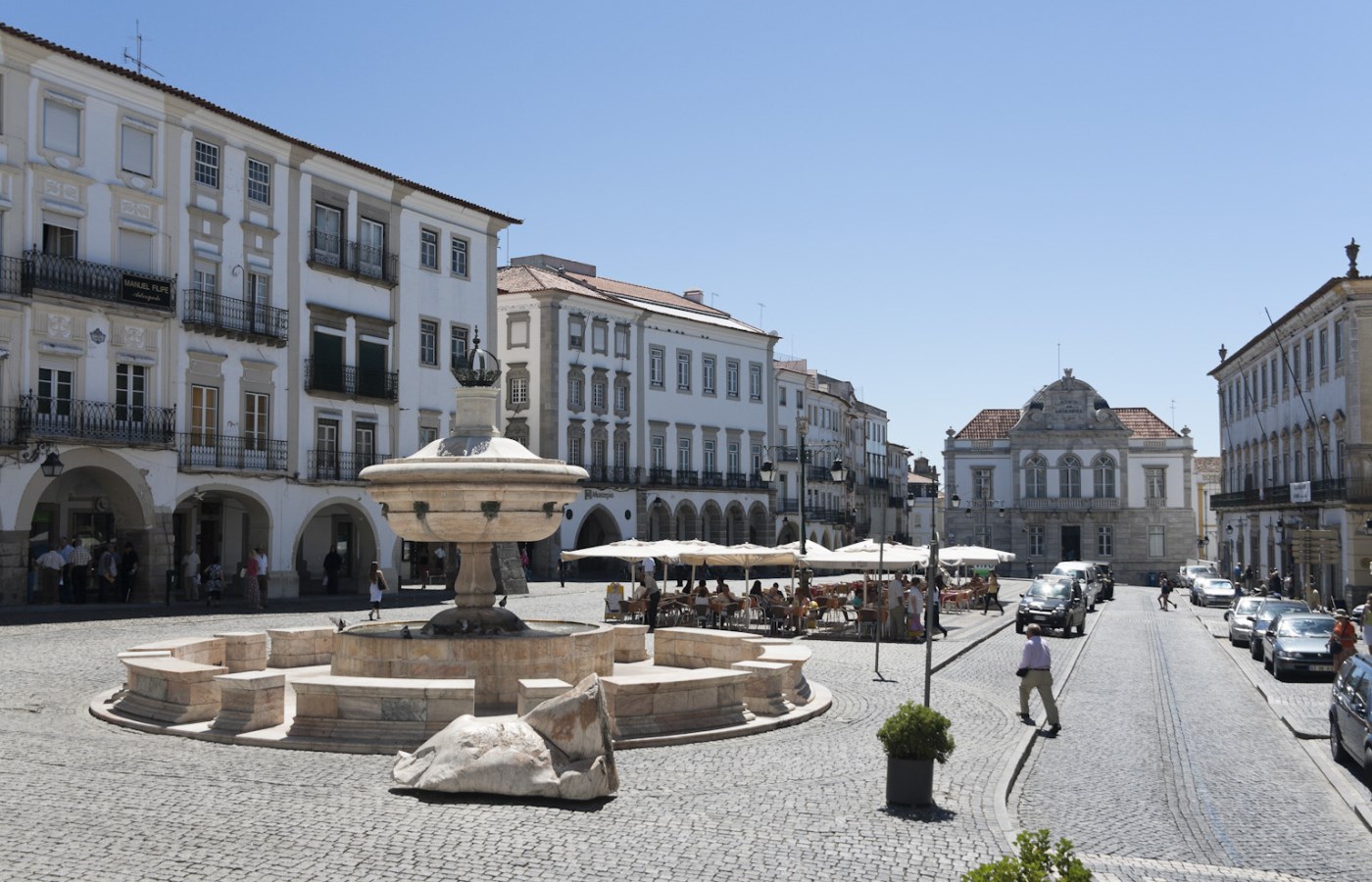
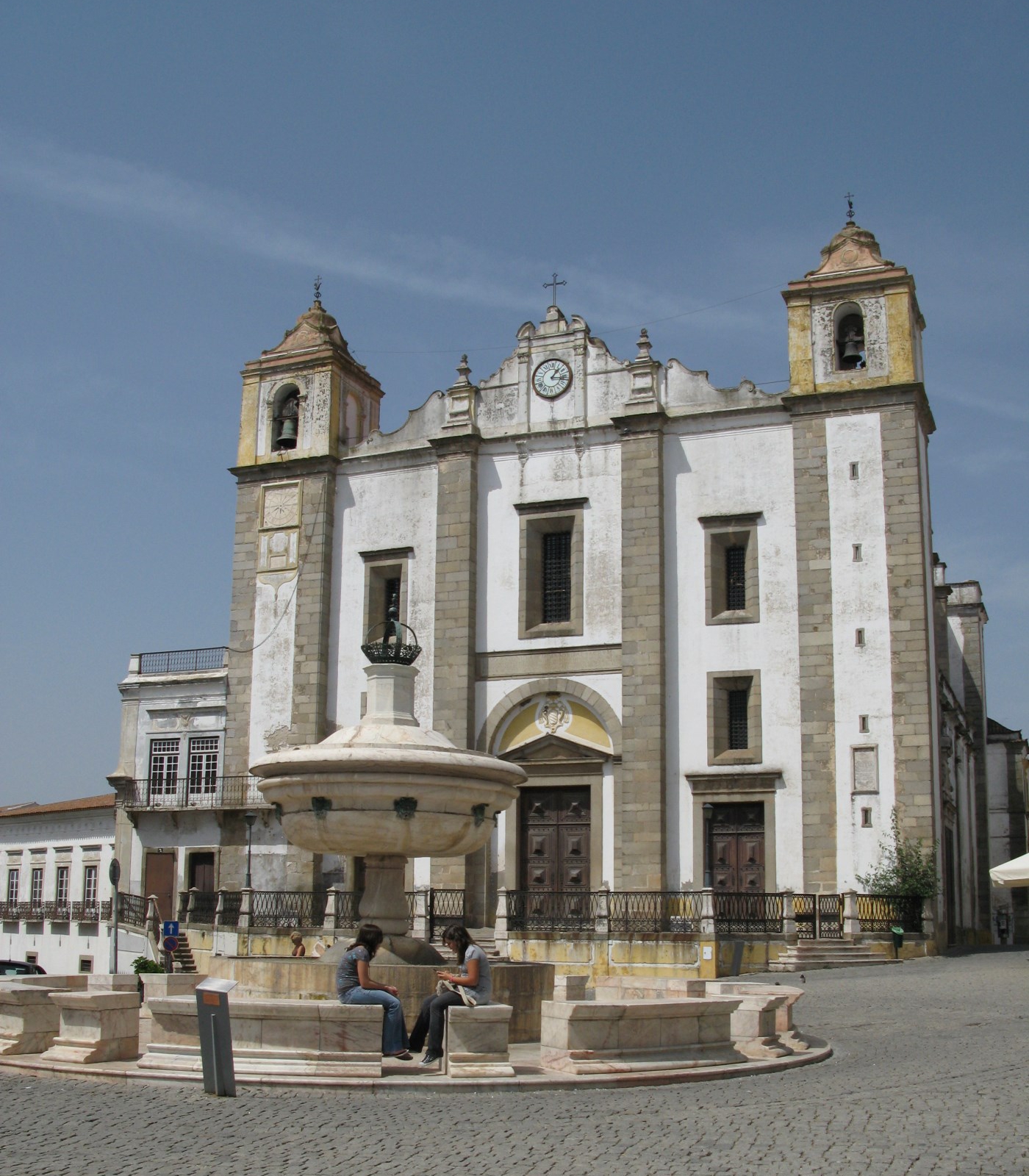
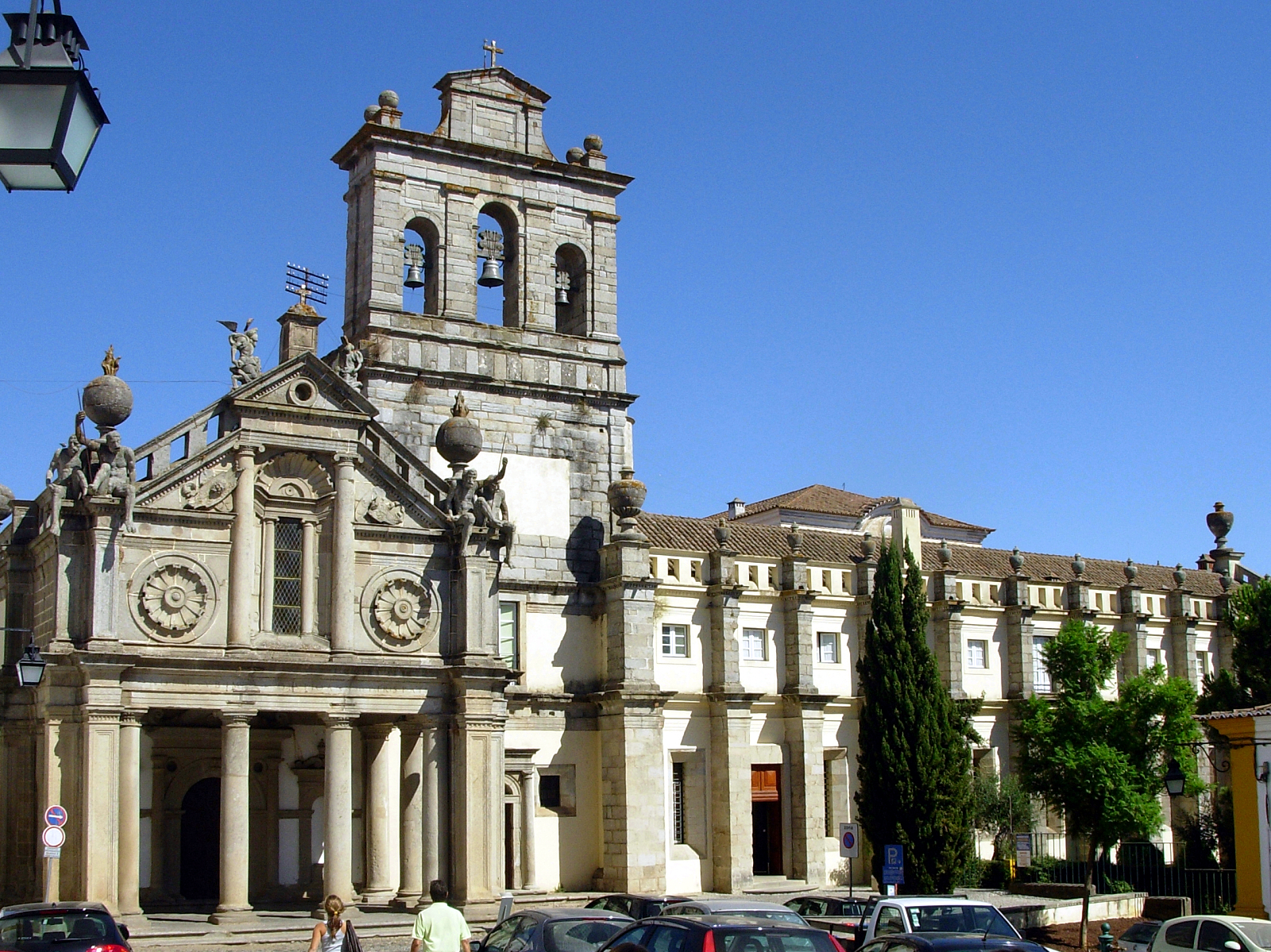
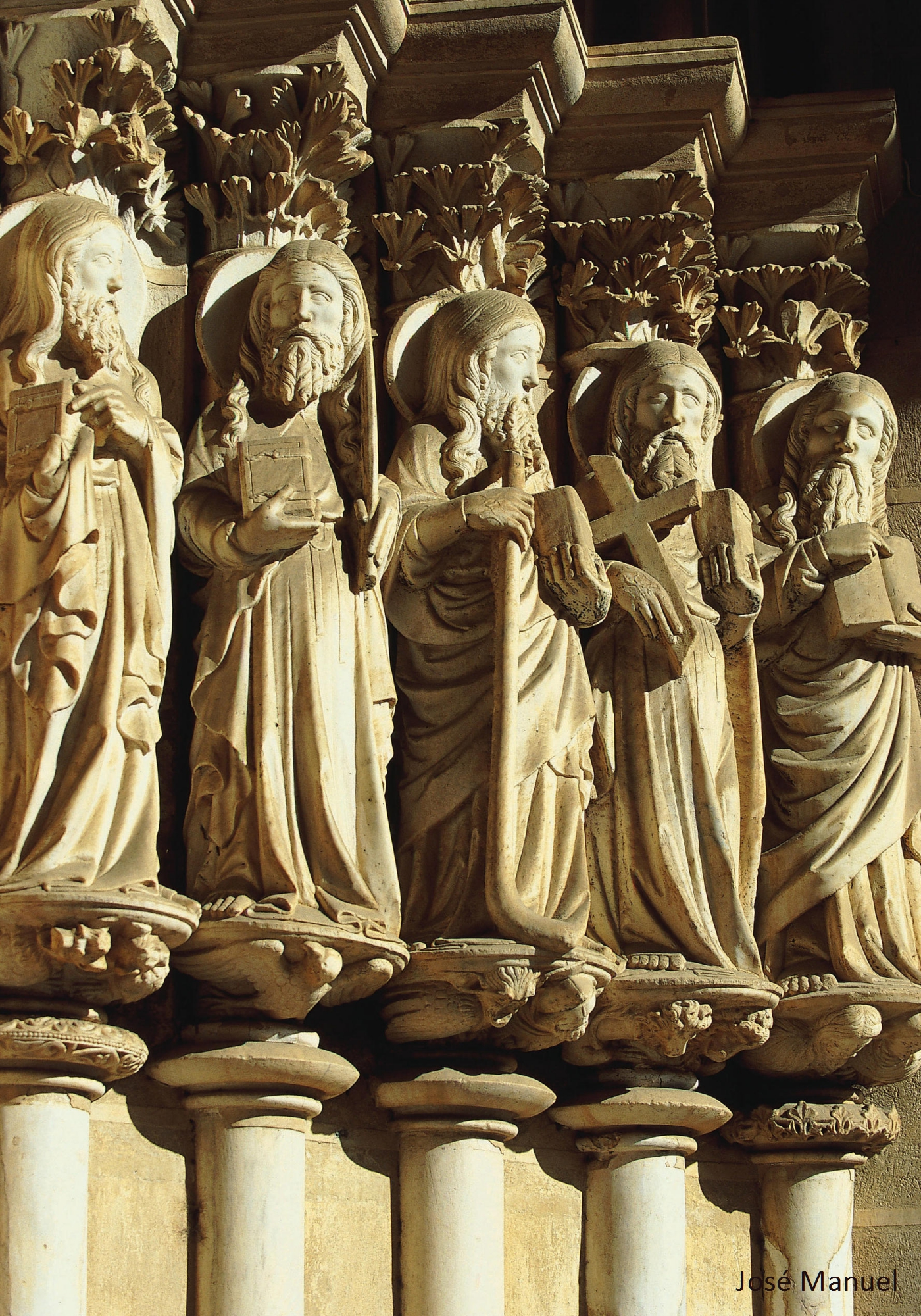
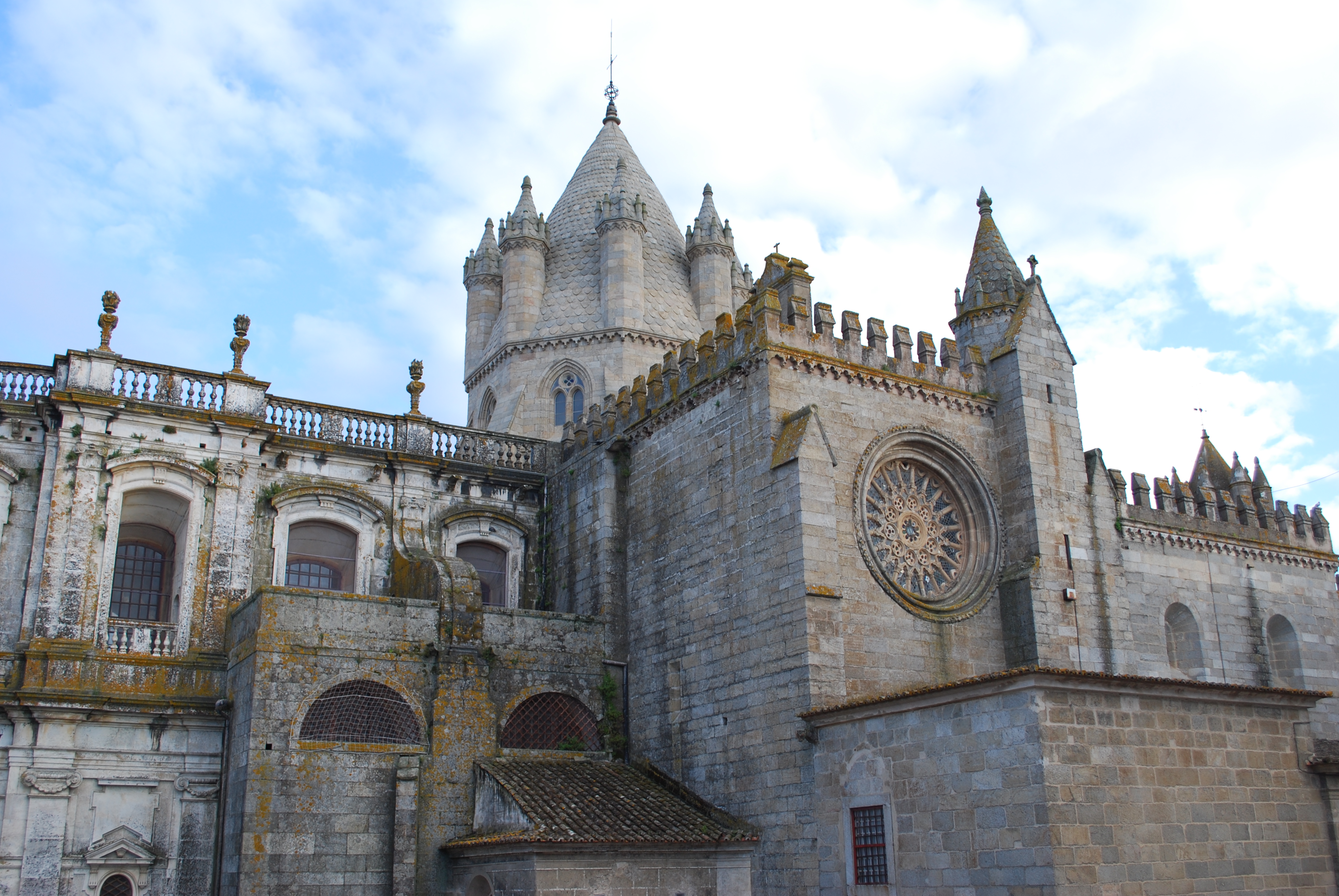
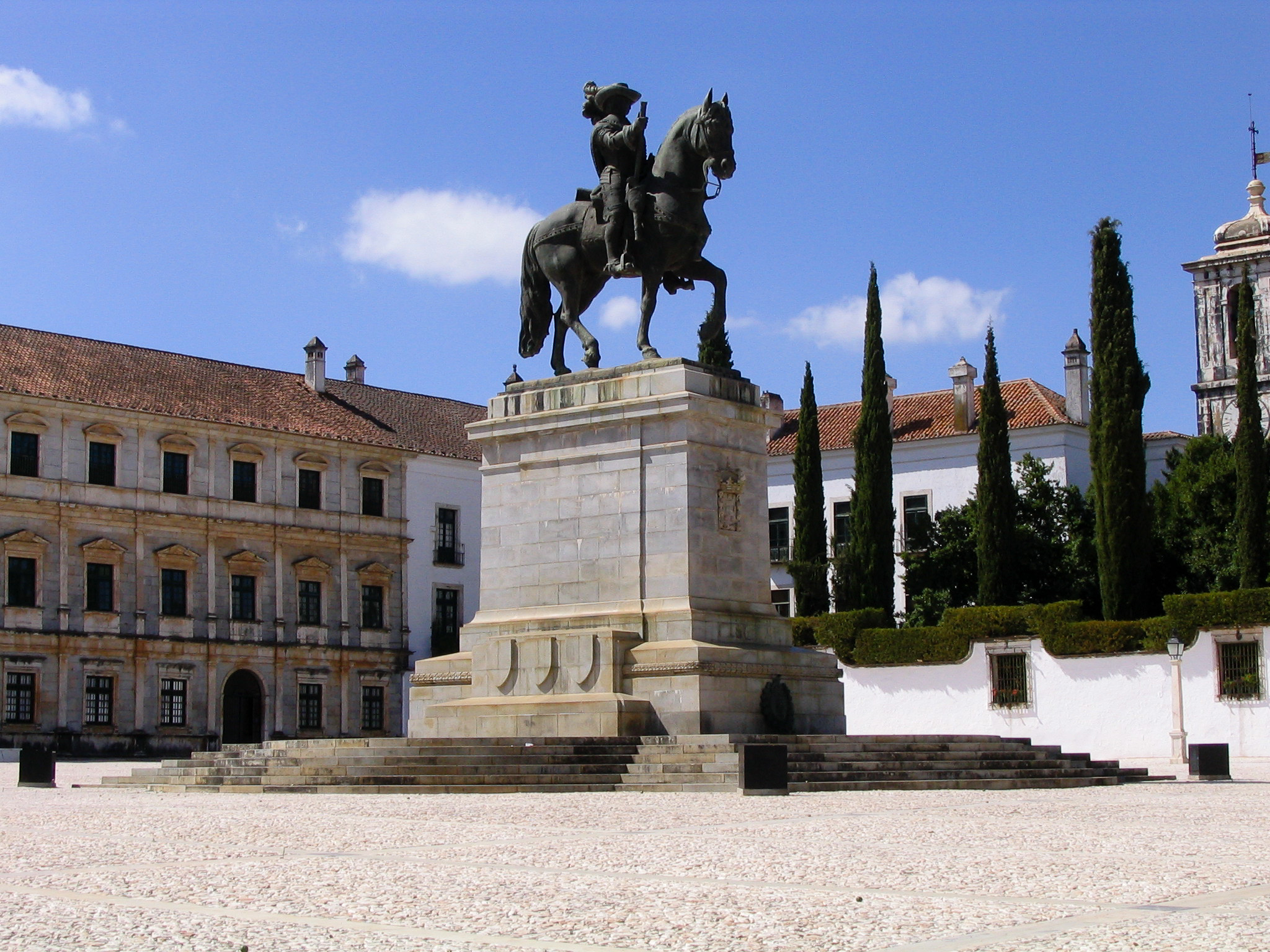
In 1834, Évora was the site of the surrender of the forces of King Miguel I, which marked the end of the Liberal Wars. The many monuments erected by major artists of each period now testify to Évora’s lively cultural and rich artistic and historical heritage. The variety of architectural styles (Romanesque, Gothic, Manueline, Renaissance, Baroque), the palaces and the picturesque labyrinth of squares and narrow streets of the city centre are all part of the rich heritage of this museum-city.
Évora city centre is considered world heritage by UNESCO in 1986.
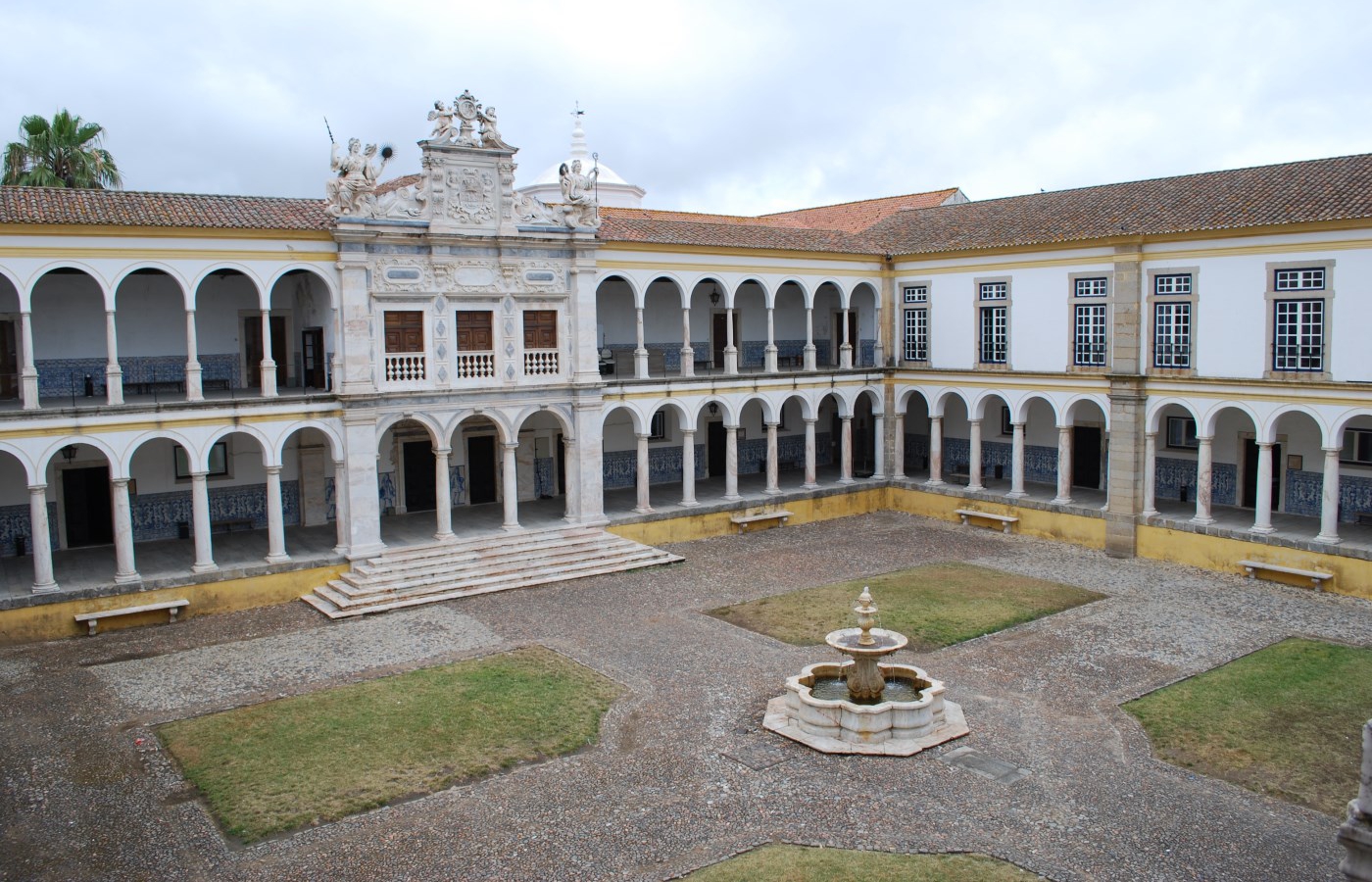
Places near Évora you must go:
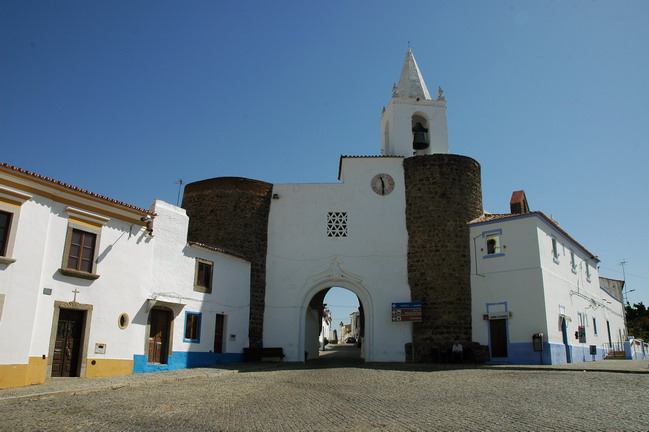
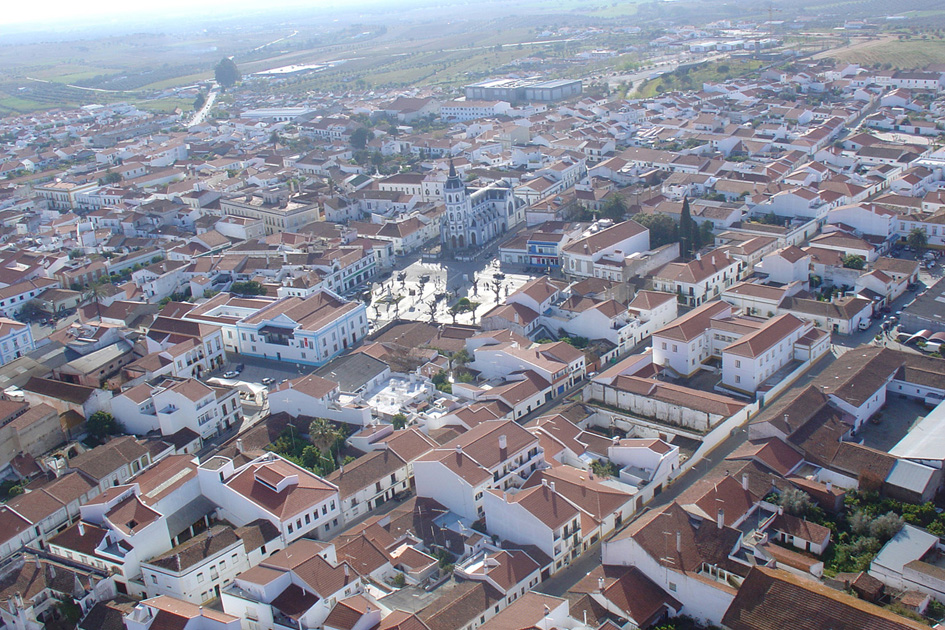
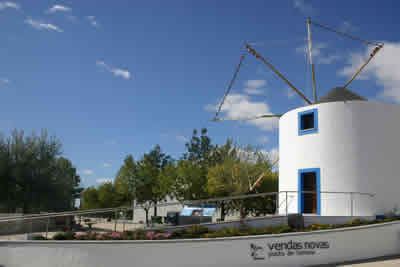
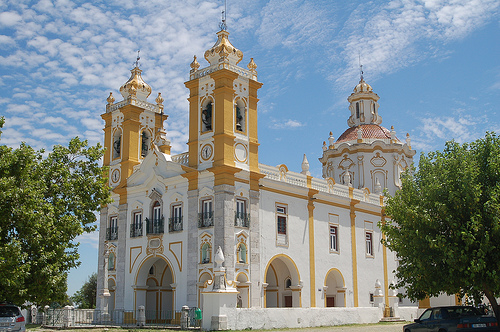
Alandroal, Arraiolos, Borba, Estremoz, Montemor-o-Novo, Mora, Mourão, Portel, Redondo, Reguengos de Monsaraz, Vendas Novas, Viana do Alentejo, Vila Viçosa.
Leave a comment
Related Unities
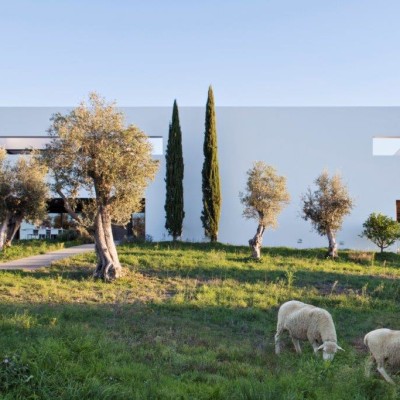
Villa Extramuros
The Villa Extramuros is a contemporary small hotel in Arraiolos, a little city of Alentejo, only one hour drive from Lisbon and close to the World Heritage city Évora. The […]
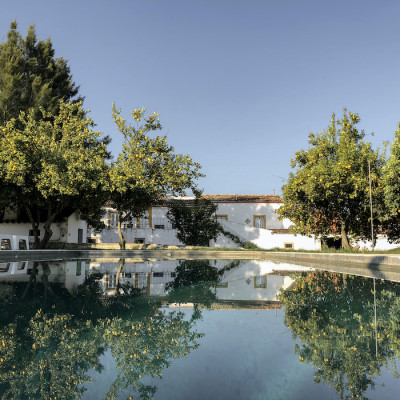
Casa dos Condes
Casa dos Condes is a labyrinth of courtyards, rooms and living rooms that transport us back in time and remind us of the blissful childhood years of venturing into a […]
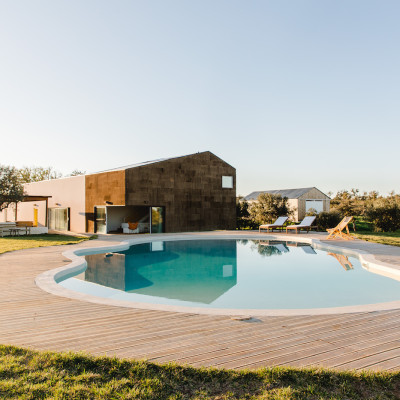
Monte da Casa do João
Monte da Casa do João is a sustainable and exclusive farm stay designed and built for families and groups of friends looking for the ideal place for a short weekend […]
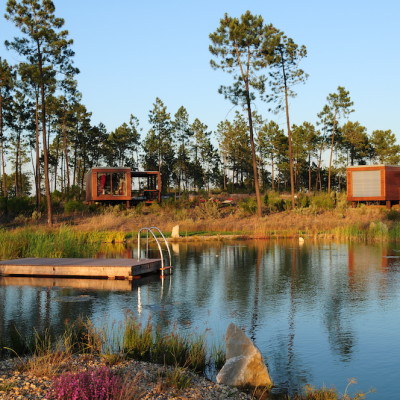
Cocoon Eco Design Lodges
Located just one hour from Lisbon Cocoon is the ideal place to discover Comporta’s charm and its magnificent beaches Far away from the city stress, Cocoon is the ideal place […]
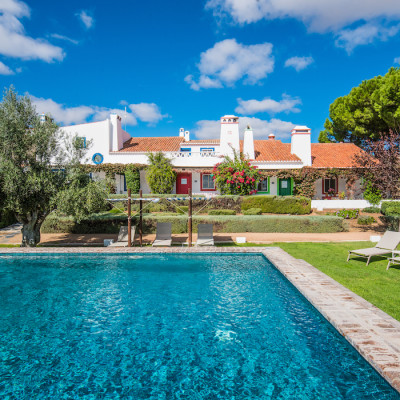
Casas de Juromenha
When you get to Casas de Juromenha you are greeted by the calm and blue Guadiana as it turns into a great lake – Alqueva. River, whose shining, peaceful blue […]
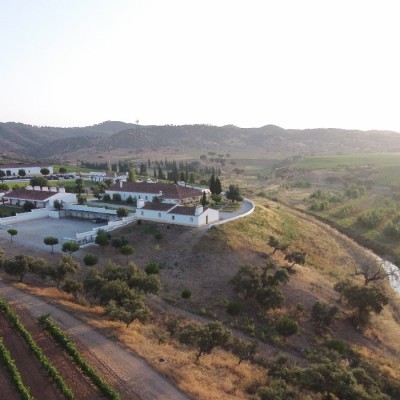
Herdade do Sobroso Wine Luxury Hotel
The Herdade do Sobroso it is a Wine Luxury Hotel that transmits charm and escape. Breathe in the warm Alentejo aromas, together with others from Africa that are exotic with […]
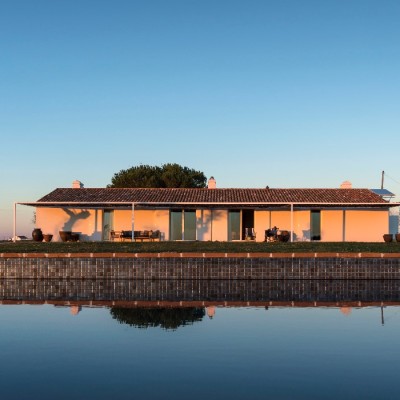
Monte do Freixo Poente
Monte do Freixo Poente is located in a traditional Alentejo hill in the center of an estate that has been in the family for several generations. It has been […]
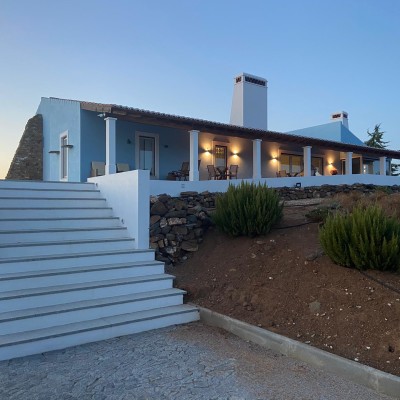
Monte dos Cordeiros
In 2013 Miguel Maria Parreira, an agricultural engineer with a master’s degree in sustainable agriculture, descendant from a traditional farmer’s family and strongly connected to cattle breeding, came up with […]
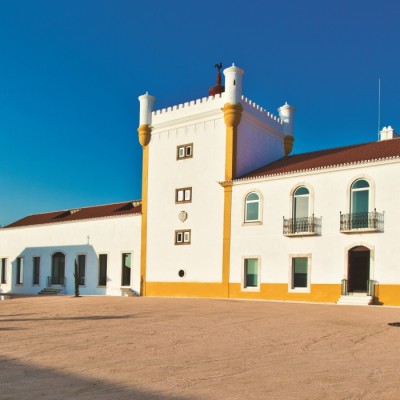
Torre de Palma Wine Hotel
Dating from 1338, the Torre de Palma Wine Hotel was born in 2014. Inspired by the lifestyle of the distinguished Basilii family (former inhabitants of the nearby Torre de Palma […]
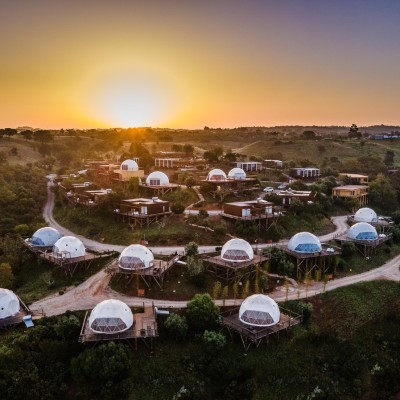
Reserva Alecrim
In Santiago do Cacém, just 130 km from Lisbon Airport, in the Alentejo Littoral, between Comporta and Costa Vicentina, down the mountain on the way to the beach, you will […]